


Key Takeaways
- Home vs. Insurance Inspections: A full home inspection evaluates all accessible property systems for a buyer, whereas insurance inspections (such as 4-Point, Wind Mitigation, or Roof Certification) strictly address specific risk factors required for underwriting.
- 4-Point Scope: A 4-Point inspection focuses exclusively on four major systems—roof, electrical, plumbing, and HVAC. It does not cover foundations, structural components, or cosmetic items.
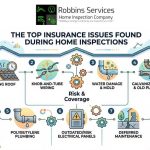
- Common Underwriting Red Flags: Aged roofs, high-risk electrical panels (such as Federal Pacific or Zinsco), aluminum wiring, and polybutylene or galvanized plumbing frequently trigger repair demands or coverage denials.
- Florida-Specific Reports: Homeowners in Florida often benefit from supplementary reports, such as a Wind Mitigation inspection to document storm-resistant features for potential premium credits.
- Final Authority Belongs to the Carrier: Home inspectors document observed property conditions, but the insurance company and underwriter make all final decisions regarding policy approval and required fixes.
Introduction
Buying a home in Florida involves more than determining whether the property is a good fit. Insurance can also play a major role in whether a transaction moves forward smoothly. Older roofs, certain electrical or plumbing components, and other conditions may create underwriting concerns depending on the insurance carrier.
A standard home inspection and an insurance inspection serve different purposes. A home inspection is a broad, visual, non-invasive evaluation of the home’s accessible systems and components. Insurance carriers may also request specific reports, such as a 4-Point inspection, Wind Mitigation inspection, or Roof Certification. Ultimately, the insurance carrier determines what is acceptable for coverage.
What a 4-Point Inspection Covers
A 4-Point inspection focuses on four major systems: the roof, electrical, plumbing, and HVAC. It documents visible conditions, system types, ages when available, and other information requested on the insurance form. It is not a substitute for a comprehensive home inspection and does not certify that a home is code compliant or free of defects.
Structural conditions, foundations, and many other components evaluated during a full home inspection are not part of the 4-Point inspection.
1. Roof Condition and Age
Florida insurance carriers pay close attention to roof condition because roof failures can result in significant water and storm-related losses. Inspectors may document the roof covering type, approximate age when known, visible deterioration, leaks, damaged or missing materials, and estimated remaining useful life when required.
There is no single roof-age rule that applies to every carrier. Requirements can vary based on roof material, condition, age, remaining useful life, and the carrier’s current underwriting guidelines. If concerns are identified, the carrier may request repairs, additional documentation, a Roof Certification, or replacement.
2. Electrical Systems
Electrical concerns commonly documented during inspections include outdated or damaged equipment, improper wiring, exposed conductors, double taps where not permitted, missing covers, and certain older panel or wiring types.
Federal Pacific, Zinsco, and some other older equipment can create safety and underwriting concerns, but the insurance carrier makes the final decision regarding acceptability and required corrections.
Aluminum branch wiring is another important example. The 4-Point form recognizes certain documented remediation methods. Removal and replacement of the wiring may also be an option. The appropriate repair should be determined by a licensed electrician, proper documentation should be retained, and the insurance carrier ultimately determines whether the condition and documentation meet its underwriting requirements.
3. Plumbing Systems
Insurance inspections may document supply and drain materials, visible leaks, water heater information, and other plumbing conditions requested by the carrier. Polybutylene and deteriorated galvanized piping are examples of materials that may create underwriting concerns.
Visible water staining does not automatically mean an active leak or mold problem is present. When moisture-related conditions are observed, the source should be identified and corrected as appropriate. Additional moisture or mold assessment may be recommended when conditions warrant.
4. HVAC Systems
The 4-Point inspection documents information about the home’s heating and cooling system, including age when available, general condition, and whether the system is operational at the time of inspection. Deficiencies such as damaged equipment, unsafe electrical conditions, or systems that do not operate may require further evaluation or repair.
A home inspection is not a guarantee of future HVAC performance, efficiency, or remaining service life.
Home Inspection vs. Insurance Inspection
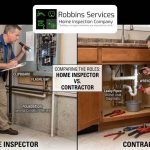
A comprehensive home inspection covers substantially more than the four systems included in a 4-Point inspection. Depending on the property and accessibility, a home inspection may include the roof, attic, exterior, structure, interior, HVAC, plumbing, electrical, garage, installed appliances, and other visible components.
The purpose is to help the client understand the property’s condition at the time of inspection. The inspector identifies visible deficiencies and recommends additional evaluation or repair when appropriate. The inspection does not determine whether an insurance company will issue a policy.
Florida Insurance Inspections
In addition to a 4-Point inspection, Florida homeowners may benefit from or be asked to provide other documentation. A Wind Mitigation inspection documents qualifying construction features that may affect windstorm insurance credits. A Roof Certification may be requested to document the roof’s condition and estimated remaining useful life.
Requirements vary by carrier, so homeowners and buyers should discuss specific insurance requirements with their licensed insurance agent.
FAQs
What is the difference between a standard home inspection and a 4-Point inspection?
A standard home inspection is a thorough evaluation of the entire accessible property, including structure, attic, foundation, exterior, and appliances—to inform a buyer’s decision. A 4-Point inspection is a limited report requested by insurance carriers that evaluates only the roof, electrical, plumbing, and HVAC systems.
Does a 4-Point inspection guarantee that my home is code-compliant?
No. A 4-Point inspection documents visible conditions, system types, and ages for insurance underwriting purposes. It is not a code-compliance audit, permit check, or guarantee of future performance.
Will an older roof prevent me from getting homeowners insurance in Florida?
It depends on your carrier’s guidelines. Insurers evaluate the roof’s material, visible condition, age, and estimated remaining useful life. If concerns are identified, your carrier may require repairs, full replacement, or a separate Roof Certification before issuing a policy.
Which electrical issues commonly raise red flags for insurance companies?
Outdated electrical panels like Federal Pacific and Zinsco are frequent deal-breakers for insurers. Aluminum branch wiring, ungrounded outlets, double-tapped breakers, and missing panel covers can also require evaluation or repair by a licensed electrician before coverage is bound.
What plumbing materials cause insurance underwriting concerns?
Polybutylene and severely deteriorated galvanized piping are the main plumbing materials that concern insurance underwriters. Visible leaks, rusted water heaters, or evidence of long-term moisture damage can also lead to repair requirements.
What is a Wind Mitigation inspection, and do I need one?
A Wind Mitigation inspection documents hurricane-and storm-resistant construction features, such as roof shape, roof-to-wall attachment strength, and protective window/door coverings. In Florida, these reports can help qualify homeowners for insurance premium discounts.
Who decides if my home passes inspection for insurance coverage?
The insurance carrier makes all final decisions. The home inspector’s role is strictly to observe and document property conditions, while your insurance agent and underwriter determine if those conditions meet their coverage requirements.
Schedule Your Home Inspection with Robbins Home Inspections Today
At Robbins Services Home Inspection Company, our licensed home inspectors provide comprehensive home inspections as well as 4-Point, Wind Mitigation, Roof Certification, and other inspection services throughout the Tampa Bay area.
Our job is to accurately document the conditions we can observe and give our clients clear information they can use to make informed decisions. For insurance-specific requirements, the insurance carrier and agent make the final underwriting decisions.
Leave a comment