
Key Takeaways
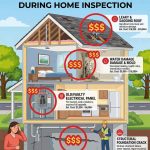
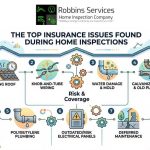
- Major home inspection deal breakers in Tampa include structural settling, aged roofs, corroded cast-iron pipes, and dangerous electrical panels that lead to costly repairs.
- A Tampa roof inspection failure can cost between $15,000 and $60,000, and local insurance companies frequently deny coverage for shingle roofs older than 15 years.
- Loose, sandy soil causes severe foundation issues in Florida homes, requiring expensive steel stabilization piers to stop structural movement.
- Pre-1975 homes in historic neighborhoods often have cast-iron sewer pipes that rust and collapse beneath the concrete slab, creating costly home repairs in Tampa Bay buyers must address.
- Defective electrical panels like Federal Pacific and Zinsco trigger immediate buyer home inspection deal breakers because they present fire hazards and fail mandatory 4-point insurance updates.
- Homebuyers should use their contract inspection window to get contractor repair estimates, negotiate seller credits, or walk away from the property entirely.
_________________________________________________________________________________________________________
Finding your perfect property in the Tampa Bay area is an exciting milestone, but hidden defects can quickly turn a great investment into a financial disaster. Recognizing the most common home inspection deal breakers in Tampa protects your bank account before you sign the final closing paperwork.
Many properties hide severe structural, plumbing, and electrical issues beneath fresh layers of paint and modern staging. Understanding these costly home repairs in Tampa Bay buyers often face allows you to walk away or renegotiate terms before it is too late.
A buyer home inspection acts as your defense against buying a house that will drain your savings.
What are deal breakers in a home inspection for Tampa buyers?
The primary deal breakers on a home inspection are expensive defects that threaten occupant safety, violate local building codes, or make the property completely uninsurable. While minor cosmetic flaws like torn window screens or faded paint are normal, structural and systemic failures change the entire value of the transaction.
When considering what are deal breakers in a home inspection, buyers must focus on systems that require thousands of dollars to fix. If a home has a failing roof, ancient wiring, or a cracked foundation, it will not pass a standard insurance check. In our local market, an uninsurable home cannot secure a mortgage.
This means major structural or safety defects stop a real estate transaction immediately. Understanding these deal breakers on home inspection reports helps you separate small maintenance projects from massive financial traps.
Why is a Tampa roof inspection failure so expensive to fix?
A Tampa roof inspection failure usually happens because a roof has reached the end of its natural lifespan, suffered severe storm damage, or features aging materials that local insurance companies refuse to cover.
Replacing a residential roof in Florida is incredibly expensive, often costing between $15,000 and $60,000 depending on the size and material used.
Our local climate subjects roofs to intense heat, high ultraviolet rays, and heavy tropical rain downpours. These elements degrade roofing materials faster than in other parts of the country.
An inspector looks closely at three main roof types during a home inspection:
- Architectural Shingles: These roofs can last 15 to 20 years, but intense sun causes them to lose protective granules. Once the granules wear away, the underlying fiberglass mat becomes brittle and leaks.
- Tile Roofs: Very common in Spanish-style Tampa neighborhoods, concrete or clay tiles can last 40 years. However, the waterproof felt underlayment beneath the tiles only lasts about 20 years. Replacing this hidden underlayment requires workers to remove every single tile, lay new material, and reinstall the tiles, creating a huge labor bill.
- Flat Roofs: Often found over porches, additions, or modern homes, flat roofs easily pool water if they lack proper sloping. Standing water rots the roof deck beneath the surface very quickly.
How do Florida insurance companies view older roofs?
Florida property insurance providers have incredibly strict rules regarding roof age. Most insurance companies will deny a new policy if an architectural shingle roof is more than 15 years old, or if a tile roof is over 20 years old, even if the roof has zero active leaks. If your inspector notes lifting shingles, rotted fascia boards, or water stains in the attic, your insurance options disappear.
The high cost of a total roof replacement makes a bad roof one of the most expensive home inspection problems Florida buyers face.
What causes major foundation issues in Florida homes?
Severe foundation issues in Florida homes occur because our regional geology consists of loose, sandy soil and porous limestone that shifts, erodes, and settles over time under the heavy weight of a concrete slab.
Repairing a sinking or cracked foundation requires specialized engineering methods that easily cost tens of thousands of dollars.
Unlike northern states with solid bedrock close to the surface, our local ground moves constantly. Heavy summer rains soak the sand, causing it to shift and pack tightly. Then, dry winter months cause the soil to shrink. This continuous cycle creates hollow pockets beneath the concrete slab foundation.
Over time, the heavy house sinks into these gaps, causing the concrete foundation to crack or tilt unevenly.
What signs point to severe structural settling?
A professional home inspector examines both the interior and exterior of the property for telltale signs of foundation movement. You can spot these issues by looking for specific clues around the house:
- Stair-step cracks running through exterior stucco walls or concrete brick mortar lines.
- Long cracks in interior drywall that branch outward from the upper corners of window frames and doorways.
- Interior bedroom or bathroom doors that rub tightly against their wooden frames or refuse to latch shut.
- Gaps forming between the bottom of your baseboards and the tile or hardwood flooring.
- Sloping, unlevel floors that cause furniture to tilt or round objects to roll across the room.
Fixing a compromised foundation requires a process called underpinning. Contractors must drill deep into the ground around the home and insert heavy steel piers to anchor the structure to stable earth or bedrock.
Because each pier costs thousands of dollars, a home that needs multiple piers presents a massive financial burden. This problem ranks among the ultimate home inspection red flags and deal breakers when buying a house.
Why is cast-iron plumbing considered one of the top buyer home inspection deal breakers?
Outdated cast-iron sewer pipes are prominent buyer home inspection deal breakers because they deteriorate from the inside out over decades, leading to frequent drain blockages, collapsed lines, and raw sewage backups inside the home.
Replacing these buried pipes requires cutting through the concrete floor of the house, resulting in a messy and incredibly expensive repair.
If you look at properties in historic St. Petersburg neighborhoods, older parts of South Tampa, or historic bungalows in Seminole Heights, you will find homes built before 1975.
During that era, builders routinely used cast-iron pipes for the main waste plumbing lines beneath the house.
[Cast-Iron Failure Timeline]
Year 0-20: Smooth interior allows waste to flow freely.
Year 20-40: Sewer gases create acid, rusting the top inside wall of the pipe.
Year 40-50+: Bottom of pipe wears away completely; raw sewage leaks into sandy soil.
Result: Heavy scale buildup catches debris, tree roots invade, and the pipe collapses.
The breakdown of cast iron follows a predictable pattern:
- Internal Scale Buildup: As the metal rusts, the inside of the pipe becomes rough and catches waste material, causing constant clogs.
- Channeling: Water running along the bottom of the pipe slowly wears the metal thin until the bottom of the line disappears completely. Waste then flows directly into the dirt underneath your home.
- Tree Root Invasion: Looking for moisture, tree roots enter the broken pipes through the rusted sections, creating absolute blockages that regular drain cleaning cannot fix.
How much do cast-iron pipe replacements cost?
Fixing a failed cast-iron system means a plumbing crew must use jackhammers to break open the concrete slab inside your living areas, kitchens, and bathrooms. They have to dig out the old metal lines and install modern PVC plumbing. This process destroys your flooring and requires you to move out during the work.
A full replumb of a historic home can cost between $15,000 and $35,000. For this reason, a bad sewer line is a premier example of deal breakers on home inspection reports.
Which electrical systems trigger home inspection red flags and deal breakers when buying a house?
Outdated or defective electrical equipment triggers immediate home inspection red flags and deal breakers when buying a house because these components pose major shock and fire hazards that local insurance providers refuse to accept.
If a house contains dangerous wiring or obsolete electrical panels, you will fail your mandatory 4-point inspection and lose your insurance coverage options.
Inspectors keep a sharp eye out for specific brands and types of electrical systems that have a documented history of failure.
The most common electrical hazards found in older local homes include:
- Federal Pacific Electric (FPE) Stab-Lok Panels: These panels were installed in millions of homes from the 1950s through the 1980s. Testing proved that these breakers frequently fail to trip when an electrical overload occurs. The wires overheat inside your walls, leading to structural fires.
- Zinsco Electrical Panels: Popular in the 1970s, Zinsco panels feature a design flaw where the circuit breakers melt directly to the main electrical bus bar. Once melted, the breaker can never trip, allowing high-voltage current to flow continuously through a shorted circuit.
- Aluminum Branch Wiring: Used briefly in the late 1960s and early 1970s due to soaring copper prices, solid aluminum wiring expands and contracts heavily when electricity passes through it. This movement causes connections at outlets and light switches to loosen, creating gaps where electrical sparks can leap and ignite wood framing.
- Cloth-Insulated Wiring: Common in homes built before 1960, the fabric coating wrapped around these electrical wires becomes brittle, cracks, and flakes away over time. This leaves bare, electrified wires exposed inside your attic insulation and wall spaces.
Replacing a standard electrical panel is a direct process that costs around $3,000 to $5,000. However, if an older home requires a complete house rewiring to remove cloth insulation or aluminum strands, the bill can easily jump past $15,000.
Because it is a safety risk and an insurance stopper, electrical failure is a major problem.
How do HVAC failures become expensive home inspection problems Florida buyers must avoid?
A broken or severely aged heating, ventilation, and air conditioning (HVAC) system becomes a major financial issue because replacing these systems costs between $6,000 and $15,000. Our regional climate forces air conditioners to run almost year-round, which wears out mechanical components quickly.
An air conditioner in our area does more than just lower the indoor air temperature. It works constantly to pull moisture out of the air to maintain safe indoor humidity levels. If a system is old, has an undersized capacity for the house, or uses obsolete R-22 refrigerant, it cannot do its job efficiently.
High indoor humidity levels create a secondary nightmare: rapid mold growth. If an AC unit cannot drop the relative humidity below 60 percent, mold spores will settle and grow on drywall, ceilings, and inside the air ducts.
When mold infiltrates your ductwork, a simple mechanical replacement turns into an expensive environmental cleanup project. You will have to pay for specialized mold remediation and brand-new duct installation, making it a severe financial burden.
What should you do when you find deal breakers on home inspection reports?
When a home inspector uncovers severe defects on a property you want to buy, you must use your contract inspection contingency window to protect your money and choose a path forward. Do not panic when you see a long list of problems; instead, use the data to make a smart business choice.
Follow these clear steps to handle major inspection failures:
- Talk to Your Inspector: Ask the inspector to explain the exact safety risks and long-term impacts of the discovered defects so you fully understand the situation.
- Get Professional Estimates: Hire licensed local contractors to inspect the specific issues and provide formal, written cost estimates for the needed repairs.
- Request Seller Fixes: Submit a formal repair addendum asking the seller to hire licensed pros to fix the structural, roofing, or electrical hazards before the official closing date.
- Ask for a Price Credit: Request a price reduction or a closing cost credit equal to the repair estimates so you can control the quality of the repair work after you own the home.
- Walk Away: If the seller refuses to fix the problems or lower the price, use your inspection contingency to cancel the purchase contract and get your full earnest money deposit back.
What are the common questions about inspections in Tampa?
Can you get homeowners insurance if a home has a bad electrical panel?
No, you generally cannot get a standard homeowners insurance policy if the property has a Federal Pacific, Zinsco, or active cloth-wired system. Insurance companies view these systems as extreme fire hazards. They will require you to replace the panel or wire system before they issue a policy.
What happens if a home inspection reveals termite damage?
Active termites or structural wood rot must be treated immediately, and a structural contractor must check the framing to verify the safety of the wood. Termite damage can weaken the wood studs inside your walls, leading to expensive structural repairs if left unchecked.
How long do you have to negotiate after a home inspection in Florida?
The negotiation window depends entirely on the inspection period written into your specific purchase contract. The standard Florida “As-Is” real estate contract gives buyers a default window of 15 days to perform inspections, review reports, and negotiate changes or back out of the deal.
Are sellers required to fix code violations found during an inspection?
No, private sellers are not legally required to fix building code violations or defects found during a home inspection. However, if they refuse to fix major safety issues, most buyers using a mortgage will be forced to cancel the deal because banks will not fund loans on unsafe homes.
Protect Your Investment Before Closing
Identifying major home inspection deal breakers in Tampa is the most effective way to save yourself from a bad real estate purchase. Do not let hidden system failures or structural settling ruin your financial future.
The professional team at Robbins Home Inspections delivers clear, detailed, and accurate insights so you can make your next move with total confidence.
Get Your Free Quote Today!