
Key Takeaways
- “As-Is” Doesn’t Mean Skip the Inspection: Buying a home “as-is” means the seller may not intend to make repairs, making a home inspection crucial so you know exactly what deferred maintenance or aging systems you are taking on.
- Inspections are Visual and Non-Invasive: A standard inspection covers accessible components of major systems (roof, electrical, plumbing, HVAC, and structure) but cannot uncover hidden defects behind walls or underground.
- Insurance and Financing Impacts: The condition of an “as-is” property, particularly the roof, electrical panels, and plumbing, can directly impact your ability to secure homeowners insurance and financing in Florida.
- Additional Testing is Available: Standard inspections do not include mold testing or underground sewer inspections, but Robbins Services offers mold/air-quality assessments and sewer scoping as add-on services.
- You Still Have Options: Depending on your Florida purchase contract, you can use the inspection report to proceed, renegotiate, request credits, or cancel the sale entirely during your designated inspection period.
Introduction
An “as-is” home can be a good opportunity, but it can also come with deferred maintenance, aging systems, or repairs the buyer needs to understand before moving forward. The words “as-is” should not be a reason to skip the inspection. If anything, understanding the property’s condition becomes even more important.
What Does “As-Is” Mean?
Generally, an as-is sale means the property is being offered in its present condition, and the seller may not intend to make repairs. That does not necessarily mean repairs, credits, or negotiations can never occur. The purchase contract and the decisions of the parties control those issues. In Florida transactions, buyers commonly have an inspection period established by the contract. Generally, a buyer may have the ability to cancel during the applicable inspection period without penalty, but contracts and circumstances vary. Buyers should confirm their inspection deadlines, cancellation rights, deposit consequences, and negotiation options with their real estate agent or legal representative.
What Can a Home Inspection Tell You?
A comprehensive home inspection gives the buyer a broad, visual, non-invasive evaluation of the property’s accessible systems and components. At Robbins Services Home Inspection Company, our inspectors document visible conditions and apparent deficiencies so the client has a better understanding of the home at the time of inspection. An inspection cannot uncover every hidden or concealed condition. Components behind walls, beneath finishes, underground, or otherwise inaccessible may not be visible during a standard inspection.
1. Roof and Attic
The inspector evaluates accessible roof and attic components for visible signs of deterioration, damage, leakage, improper installation, and other concerns. Roof age and condition can be particularly important in Florida because they may also affect insurance options.
2. Electrical System
The inspection includes accessible electrical components such as service equipment, panels, representative outlets, visible wiring, and other installed components within the inspection scope. Older equipment, improper wiring, aluminum branch wiring, Federal Pacific or Zinsco panels, missing GFCI protection, and other conditions may warrant repair or further evaluation. GFCI protection and equipment grounding are separate electrical concepts and should not be treated as the same thing.
3. Plumbing System
Inspectors evaluate accessible supply and drain components, fixtures, water heaters, visible leaks, and functional drainage within the inspection scope. Certain piping materials or evidence of leakage may warrant additional evaluation. A standard home inspection does not include an internal camera inspection of the underground main sewer line. Robbins Services offers sewer scoping as an additional service when the client wants that line evaluated.
4. HVAC System
Heating and cooling equipment is operated using normal controls when conditions permit. Inspectors evaluate visible condition and functional operation and may identify equipment age when the information is available. Unless reliable records are provided, an inspector generally cannot verify the system’s maintenance history or predict exactly how long the equipment will continue to operate.
5. Structure, Exterior and Interior
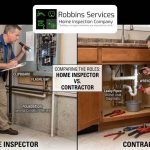
The inspection may identify visible cracking, movement, moisture damage, deterioration, unsafe conditions, additions or conversions, and other concerns. When conditions warrant, the inspector may recommend further evaluation by a qualified contractor, engineer, or other specialist. A standard home inspection is not a permit search or code-compliance inspection. If an addition or conversion raises questions about permitting, the buyer should verify permit history with the appropriate authority.
What About Mold?
Visible moisture-related conditions, staining, or suspected microbial growth may be documented during an inspection, but a standard home inspection does not determine whether mold is “toxic” or identify fungal species. Robbins Services offers mold and air-quality assessment services when appropriate. Laboratory analysis is used when samples are collected and identification is needed.
Using the Inspection to Make a Decision
The inspection report helps the buyer understand significant visible conditions before the end of the applicable inspection period. Depending on the contract, the buyer may decide to proceed, seek additional specialist evaluations, discuss repairs or credits, renegotiate, or cancel. The home inspector does not interpret the purchase contract or determine the buyer’s legal rights. Questions about contractual rights should be directed to the buyer’s real estate agent or legal representative.
FAQs
If a house is being sold “as-is,” does that mean I can’t negotiate repairs or credits?
Not necessarily. While an “as-is” sale generally means the seller is offering the home in its present condition and may not plan to make repairs, negotiations, credits, and repairs can still occur. Your options will depend on the specifics of your purchase contract.
Can I cancel my contract if the inspection reveals too many problems?
Generally, yes. In Florida transactions, buyers usually have a specific inspection period outlined in their contract that allows them to cancel without penalty. However, because contracts vary, you should always confirm your exact cancellation rights and deadlines with your real estate agent or legal representative.
Will the home inspector check for mold?
An inspector will document visible moisture, staining, or suspected microbial growth, but a standard inspection does not identify fungal species or determine if mold is “toxic.” If you need laboratory identification, Robbins Services offers specialized mold and air-quality assessments.
Does the inspection include a check of the underground sewer lines?
A standard home inspection evaluates accessible plumbing but does not include an internal camera inspection of the underground main sewer line. Robbins Services does offer sewer scoping as an additional service if you would like that line evaluated.
Will the inspector tell me if a home addition was properly permitted?
No. A standard home inspection is a visual evaluation of the property’s condition, not a code-compliance inspection or permit search. If there are questions about conversions or additions, the buyer should verify the permit history with the appropriate local authority.
Can the inspector tell me exactly how long the HVAC system will last?
No. While inspectors will evaluate the visible condition, functional operation, and age of the heating and cooling equipment, they cannot predict the exact lifespan of the system or verify its maintenance history without reliable records provided by the seller.
Can the inspector advise me on my legal rights after finding an issue?
No. The home inspector’s job is to document the property’s condition and explain the significance of those findings. They do not interpret purchase contracts or determine your legal rights; those questions should be directed to your real estate agent or attorney.
Insurance and Financing Considerations
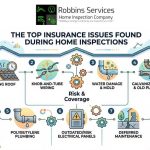
An as-is property can also have conditions that affect insurance or financing. Roof condition, electrical systems, plumbing materials, HVAC condition, or other issues may require additional documentation or repairs depending on the insurance carrier or lender. A home inspector identifies and documents property conditions; the insurance carrier, lender, appraiser, and other parties make their own decisions based on their requirements.
Buying a house as-is does not automatically make it a bad purchase. It does mean the buyer should understand the condition of the property and the potential repairs they may be accepting. A comprehensive inspection from Robbins Services Home Inspection Company can help identify visible concerns, explain the significance of the findings, and point out areas that deserve additional evaluation before the buyer makes a final decision.