



Key Takeaways
- A home buying inspection in Tampa, FL protects your financial investment by finding hidden structural and mechanical problems before you close.
- Florida home insurance companies require 4-point and wind mitigation inspections to verify the roof, electrical, plumbing, and HVAC systems qualify for coverage.
- The home buyer pays for the professional home inspection upfront to get an independent look at the true condition of the property.
- Buyers generally have a 10 to 15-day contract window to review the home inspection report and negotiate repairs or price cuts with the seller.
- Adding specialized checks for mold, sewer lines, and wood-destroying organisms protects you from common, costly local climate hazards.
__________________________________________________________________________________________________
Buying a house in the Tampa Bay area is a major financial step. You find the perfect house, put in an offer, and get ready to close. However, skipping a home buying inspection in Tampa, FL, can lead to massive financial regret.
Many buyers think a home looks perfect on the surface. Hidden defects can cost thousands of dollars to fix after you move in.
A professional home inspection gives you a clear look at the actual condition of the property. It keeps you from making a blind purchase in a competitive market.
What is included in a Tampa Bay home inspection checklist?
A standard home inspection covers the major structural and mechanical systems of the house from the roof down to the foundation. A certified home inspector in Tampa buyers trust will look at specific components to verify they are working safely.
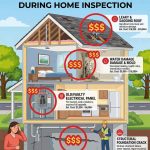
The primary elements on a Tampa Bay home inspection checklist include:
- The structural integrity of the foundation, walls, and flooring.
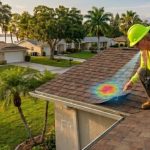
- The condition, age, and layers of the roof covering.
- The electrical panels, breakers, wiring, and outlets.
- The plumbing system, including water heaters, traps, and fixtures.
- The heating, ventilation, and air conditioning (HVAC) systems.
Our local weather presents unique challenges for houses. High humidity can cause mold growth in attics or crawlspaces. Buyers often ask what to expect from a home inspection Florida style.
You will get a detailed home inspection report that highlights every issue found during the walkthrough. This report allows a home buyer to request repairs or price drops before the deal becomes final.
Local home buyer inspections focus heavily on these weather-related risks.
When buying a house, who pays for the home inspection?
The buyer almost always pays for the home inspection. This is a standard practice in the real estate industry. Paying for your own home inspection before buying means the inspector works strictly for you. They have no incentive to hide problems to help the sale go through.
While buyers and sellers can negotiate anything in a contract, the buyer covers this fee upfront. Sellers sometimes order a pre-listing inspection to find problems before putting their home on the market.
However, you should still hire your own home inspection company to get an independent opinion. This small investment prevents massive financial surprises later.
How does a home inspection impact your Florida property insurance?
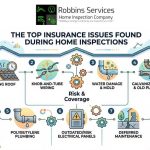
A home inspection when buying a home determines whether you can get affordable property insurance in the current market. In Tampa, FL, insurance companies are very strict about the age and condition of home systems. You cannot close on a home with a mortgage unless you secure a home insurance policy first.
To get insurance, you will need specific inspections alongside your standard report. The most common requirement is a 4-point inspection. This check focuses purely on four systems: the roof, electrical, plumbing, and HVAC.
Meeting the Florida 4-point inspection requirements is mandatory for older homes. If the roof is too old or the electrical panels are outdated, insurers will deny coverage.
Another key check is a wind mitigation inspection. This inspection proves how well the home resists hurricane-force winds. A good wind mitigation report lowers your insurance premiums.
What extra inspections should you schedule in the Tampa Bay area?
You should add a sewer scope inspection and a wood-destroying organism check to your primary home inspection. Standard inspections do not look inside underground pipes or behind walls for insects.
When reviewing options for inspections in Tampa, buyers often prioritize specific add-ons.
Consider these three extra inspections to protect your wallet:
- Sewer Scope: A camera goes down your main sewer line to look for cracks, breaks, or tree root blockages. Older neighborhoods in the Tampa Bay area often have failing clay or cast-iron pipes.
- Wood Destroying Organism (WDO) Inspection: This checks for termites, powderpost beetles, and wood-decaying fungi. Termites love the warm, wet climate of Florida. They can ruin a home’s structural framing without anyone noticing.
- Mold Testing: If the home has a musty smell or past water leaks, testing the air quality is smart. High moisture leads to rapid mold growth.
These add-on services apply to residential houses, but they are also part of a commercial inspection if you purchase business property.
How many days after home inspection does the buyer have?
The buyer typically has 10 to 15 days to complete inspections and negotiate repairs, depending on the terms written in the purchase contract. This timeframe is called the inspection period.
During these days, you must schedule the inspector, receive the easy-to-read report, and decide your next steps. You can use the findings to ask the seller for repairs, request a price credit, or cancel the contract entirely.
If you miss this deadline, you accept the home as-is. Working quickly with a trusted expert helps you make informed decisions without rushing.
What are the common questions about inspections in Tampa?
Why do I need a certified home inspector?
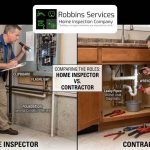
A certified home inspector has the formal training and state licensing needed to find safety hazards and code issues. They know exactly what to look for in Florida homes, from bad electrical wiring to hidden roof leaks.
Can a house fail a home inspection prior to buying?
No, a home cannot technically fail a home inspection prior to buying. The inspector does not give a pass or fail grade. They simply report the current condition of the property. It is up to you and your lender to decide if the problems are too big to handle.
What is the difference between a home inspection and a home appraisal?
An appraisal determines the financial value of the property for your bank. A home inspection in Tampa focuses purely on the physical condition and safety of the house. The appraiser looks at comparable home sales, while the inspector looks at the roof and pipes.
Should I attend the home inspection?
Yes, we highly recommend that you attend the end of the inspection. Walking through the property with the inspector allows you to see the problems firsthand. You can ask questions about maintenance and get a better understanding of the written report.
Ready to Schedule Your Tampa Home Inspection?
Getting a home buying inspection in Tampa, FL, is the smartest way to protect your future home and your finances. Do not let hidden repair costs or insurance issues ruin your closing day.
The team at Robbins Home Inspections provides clear, detailed reports to help you make the right choice.
Get Your Free Quote Today!
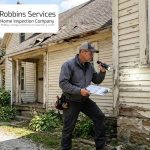
Should You Buy a House As-Is? Home Inspection Can Tell You
[…] A comprehensive home inspection gives the buyer a broad, visual, non-invasive evaluation of the property’s accessible systems and components. At Robbins Services Home Inspection Company, our inspectors document visible conditions and apparent deficiencies so the client has a better understanding of the home at the time of inspection. An inspection cannot uncover every hidden or concealed condition. Components behind walls, beneath finishes, underground, or otherwise inaccessible may not be visible during a standard inspection. […]