



Key Takeaways:
During a hurricane roof inspection in Tampa, inspectors check your roof’s age, roofing materials, and roof-to-wall connections like the hurricane clips Florida insurance companies require. They verify your secondary water resistance (SWR) and look for damage from past heavy rain. A certified inspector documents these items to confirm your home meets the updated building code and qualifies for insurance discounts.
_________________________________________________________________________________________________________
Severe weather is a constant reality for homeowners in the Tampa Bay area. Booking a hurricane roof inspection before storm season starts protects your home and saves you money. High winds and heavy rain can expose hidden weaknesses in your roofing system.
Finding these flaws early helps prevent a major insurance claim later. This guide explains exactly what certified roof inspectors look for during a pre-storm evaluation.
Why is the 2026 wind mitigation form update important for Tampa homeowners?
The OIR-B1-1802 update that took effect on April 1, 2026, changes how insurance credits are approved. Florida updated this form to require strict photo proof of your roof’s structural integrity. Insurance companies no longer accept vague descriptions.
They want clear evidence that your home can withstand severe wind loads.
If your roof lacks proper documentation under the new rules, your insurance premiums could skyrocket. Roof inspectors must now take close-up photos of specific structural links. This includes the clips holding your roof to your walls and the protection on your windows and doors.
Tampa sits in a vulnerable spot on the Gulf Coast. Local insurance providers are using these updates to reduce their financial risks.
A proper storm inspection using the new form can save you thousands of dollars a year. It proves your home meets tough safety rules. Homeowners who skip this update might see their policies dropped entirely.
What are the 5 things the 2026 wind mitigation inspection requires?
The updated 2026 wind mitigation form requires detailed verification of five main structural areas. Inspectors must provide photographic proof for each section. Without these photos, the state will not accept the form.
Here are the five requirements explained:
- Roof-to-wall connections: Inspectors must photograph the hurricane clips that Florida insurance companies look for. They count the exact number of nails used in each clip. The clips must attach firmly to both the roof truss and the wall plate.
- Secondary water resistance (SWR): This is a backup waterproof layer under your shingles or tiles. The inspector must verify its presence through photos taken in the attic or during installation. It stops water from entering your home if shingles blow away.
- Roof deck attachment: The inspection documents the type of nails used to secure the wood deck. It also records how far apart the nails are spaced. Closer spacing means the roof deck is much stronger against wind uplift.
- Roofing materials and age: The inspector verifies the age of the roof. They confirm that the materials match current Florida building code standards. Older materials degrade under the hot Florida sun.
- Impact-rated openings: Clear photos must prove that your windows, entry doors, and garage doors can resist flying debris. This includes shutters or impact-resistant glass.
Quick Reference Guide for the 2026 Update
| Inspection Feature | 2026 Form Requirement |
| Roof-to-Wall Connections | Close-up photos of hurricane clips Florida insurance companies accept, counting every nail. |
| Secondary Water Resistance (SWR) | Photographic proof of self-adhering polymer sheets under the roofing materials. |
| Roof Deck Attachment | Documentation of nail types and precise nail spacing measurements on the wood deck. |
| Roof Age & Material | Verification that materials comply with the active Florida building code. |
| Impact-Rated Openings | Verified photo proof of storm shutters or impact glass on all windows and doors. |
How do roof inspectors check roof-to-wall connections?
Inspectors check roof-to-wall connections by accessing your attic space. They view where the roof trusses meet the top of your home’s exterior walls. They look for specific metal connectors like clips or wraps.
These metal pieces keep high winds from lifting the roof off the house. For homes in the Tampa Bay region, these connections must be perfectly secure to prevent catastrophic wind damage. The inspector counts the nails in each clip.
If a clip has fewer than three nails, it might not qualify for the best insurance discounts. Missing or weak connections are a common reason homes fail to get credits.
The inspector will check multiple corners of the roof. Winds hit homes from different angles during a hurricane. Every corner must have proper anchoring. If your home uses old toenail connections instead of metal clips, your roof is at a much higher risk of failure.
Upgrading these clips can dramatically improve your home’s storm survival rate.
What is secondary water resistance, and why do you need it?
Secondary water resistance (SWR) is a backup waterproof layer under your shingles or tiles. It keeps water out if the main roofing material blows off. It prevents heavy rain from soaking into your home during a major storm.
When high winds strip away your shingles, the wood deck is exposed. Without SWR, water pours directly into your attic. This leads to immediate ceiling damage and dangerous, toxic mold growth inside your walls.
Having SWR gives you peace of mind because it protects your interior even during an extended storm.
Inspectors verify SWR by looking at the seams of your roof decking from inside the attic. They look for self-adhering tape or a full membrane layer. If your roof was replaced recently, this layer is likely already installed.
Modern codes encourage their use across Florida. It acts as an insurance policy for your ceilings.
How does the local building code affect your roofing system?
The Florida building code sets strict rules for wind resistance, especially for homes near the coast. While coastal Hillsborough County follows tough standards, some nearby zones must meet High Velocity Hurricane Zone standards.
Your roofing system must comply with the code in effect during its installation.
Older roofs often fail to meet modern safety requirements. During a roof inspection, professionals check if your materials can handle winds up to 140 or 150 miles per hour. If you have tile roofs, inspectors check the mortar or adhesive bonds.
Tiles can become dangerous projectiles if they are not anchored according to local codes.
The inspector looks for wear and tear that violates current codes. This includes cracked tiles, rusted flashing, or loose shingles. Keeping your roof up to code protects your property value and makes it easier to pass a future 4-point inspection. Local building offices strictly enforce these rules during any major repair work.
Why should you schedule an inspection after a storm?
You need an inspection after a storm to spot hidden damage before the next system hits. Even if you do not see missing shingles from the ground, high winds can break sealants and crack tiles. Water can slowly seep into your home without causing an immediate drip.
Waiting to check your roof can ruin your chances of filing a successful insurance claim. Insurance policies have tight deadlines for reporting storm damage.
A documented report from a professional inspector gives you the evidence you need to file a claim quickly. Routine checks keep your home ready for unexpected weather.
An inspector will check the flashing around chimneys and vents. These areas are prone to leaking after high winds shake the house. Finding these issues early prevents wood rot and saves you money on major repairs down the road. Regular updates keep your home safe all year long.
FAQs
How much does a hurricane roof inspection cost?
The cost of a hurricane roof inspection in Tampa depends on the size of your home and the type of report you need. A standard wind mitigation inspection typically runs between $100 and $250. This small upfront cost can save you hundreds or thousands of dollars on your annual home insurance premiums.
Can I check my own hurricane clips for insurance requirements?
It is not smart to check these requirements yourself. Checking clips requires climbing into tight attic spaces and identifying specific nail patterns. Licensed roof inspectors know exactly what the state requires and have the tools to photograph hard-to-reach areas safely.
How long does a standard roof inspection take?
A thorough roof inspection takes about 45 minutes to two hours. The time depends on the size of your house, the type of roof, and how easy it is to access your attic. The inspector spends a lot of time documenting the structural connections inside the roof space.
Will a new roof automatically lower my Tampa Bay insurance premium?
A new roof usually lowers your premium because it uses modern roofing materials that meet the latest building code. However, the discount is not automatic. You must submit a certified wind mitigation form signed by an inspector to your insurance company to receive the credit.
What is the difference between a 4-point inspection and a wind mitigation inspection?
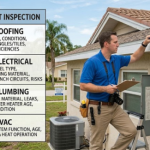
A 4-point inspection looks at four core systems: heating, plumbing, electrical, and the roof’s general condition to see if the home is insurable. A wind mitigation inspection looks strictly at how well the home resists strong wind damage to earn you insurance discounts.
Protect Your Tampa Bay Home Today
Protect your home before the winds start to blow. Schedule your 4-point inspection with Robbins Home Inspections. We provide the exact photo documentation required by the state under the new guidelines.
Contact Robbins Home Inspections today to schedule a 4-point inspection.
Should You Buy a House As-Is? Home Inspection Can Tell You
[…] inspector evaluates accessible roof and attic components for visible signs of deterioration, damage, leakage, improper installation, and other concerns. Roof age and condition can be particularly important in Florida because they may also affect […]